
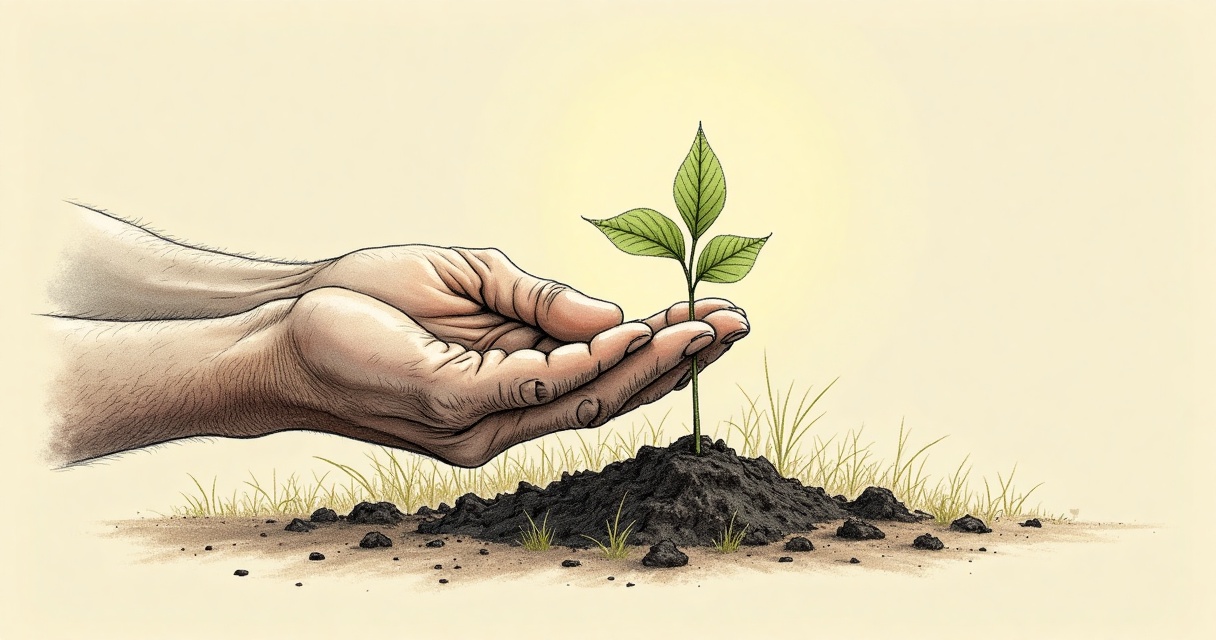

The phrase “miracles occur in gardens” feels like a whisper from a quieter time. It’s not an ancient religious text, but a folk proverb that has sprouted in many cultures—from monastic herb beds to backyard vegetable patches. It captures a truth that gardeners have always known: a plot of soil is a stage for transformation. But what does it mean for those of us who don’t own a trowel or a patch of land? The proverb invites us to recognize that the most profound wonders are not supernatural interruptions but slow, steady acts of growth happening right under our noses.
Table of Contents
Beyond the Supernatural: Redefining a Miracle
When we hear the word “miracle,” we often picture a dramatic event—a sudden healing, a parting of the sea. But the miracles that occur in gardens are quieter. They are the daily resurrections of a seed cracking open, a tendril reaching for light, a bare branch swelling with buds after a long winter. These are not violations of nature; they are nature’s deepest expression. A garden redefines a miracle as a process rather than a spectacle. It’s a reminder that the extraordinary is woven into the ordinary, and that we are surrounded by small wonders that we often overlook simply because they happen slowly.
The Garden as a Classroom for Patience
No one can rush a garden. You can’t shout at a tomato plant to grow faster, nor can you negotiate with a rose bush to bloom on your schedule. This forced patience is a rare gift in a world of instant gratification. The garden teaches that waiting is not passive; it is a form of active trust. You water, you weed, you protect, and then you let go. This lesson extends far beyond the soil. In moments of frustration, we can learn to pause and observe rather than react. The skill of waiting—truly waiting—is a miracle of self-control. This is a gentle echo of the wisdom that reminds us to don’t act when angry—a pause that allows the soil to settle before we plant a seed of reaction.
Cultivating Hope in a Chaotic World
A garden is an act of profound optimism. To plant a seed is to declare faith in a future you cannot see. You bury something in the dark, trusting that it will become something beautiful and nourishing. In a world that often feels chaotic, this small gesture is a rebellion against despair. The garden does not deny the existence of storms, pests, or drought; it simply insists that life persists. This is the same spirit we need when facing personal adversity. To keep our face to the sunshine, as Helen Keller advised, is to focus on what is growing rather than what is decaying. This is the same spirit captured in the timeless inspiration to keep your face to the sunshine, focusing on the light that nourishes growth. The miracle of a garden is that it gives us tangible proof that hope is not foolish—it is a biological imperative.
The Science of Wonder: Why Dirt Makes Us Happy
There is a fascinating biological basis for the garden’s miracles. Soil contains Mycobacterium vaccae, a bacterium that, when inhaled or touched, triggers the release of serotonin in the brain. This is the same neurotransmitter targeted by many antidepressants. Gardening literally makes us happier. Beyond the chemistry, the act of tending plants reduces cortisol, lowers blood pressure, and engages our senses in a gentle, restorative way. The miracle is not just in the flower; it’s in the gardener’s transformed state of mind. We are wired to find wonder in dirt. The garden is a natural anti-depressant, a quiet therapy that asks nothing of us but our presence.
How to Plant Your Own Metaphorical Garden
You don’t need a backyard to invite these miracles into your life. A metaphorical garden is any practice that allows you to nurture growth over time. It could be a journal, a daily meditation habit, a creative project, or even a relationship you tend with care. The key is to identify something you can plant, water, and watch develop. Start small. Choose one “seed”—a new skill, a kindness you want to cultivate—and give it a little attention each day. Just as a real garden thrives on consistency, so does the soul. The miracle is not in the grand finale but in the daily act of showing up. You’ll be surprised at what blooms.
The Harvest of Presence
Ultimately, the garden’s greatest miracle is the way it anchors us in the present moment. When you are fully engaged with the soil, the scent of basil, the hum of bees, past and future dissolve. There is only the now—a now that is teeming with life. This is the harvest of presence. It’s not measured in bushels, but in the stillness that settles in the heart. The garden reminds us that we are part of a larger rhythm, and that our own growth is a miracle if we only slow down enough to notice it. The proverb “miracles occur in gardens” is an invitation to step into that rhythm, to get our hands dirty, and to witness the quiet magic that has been waiting for us all along.