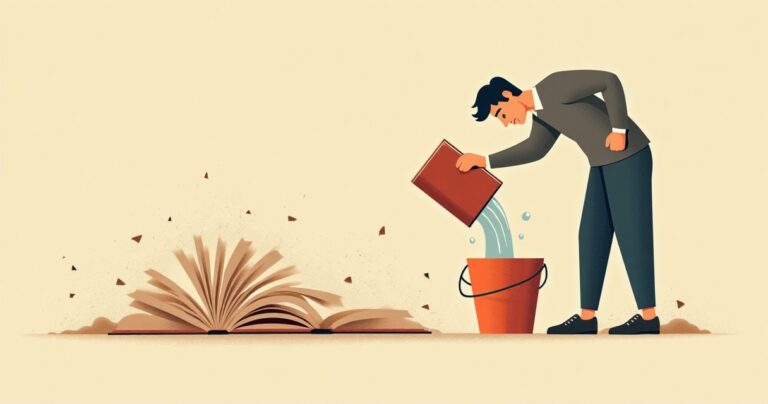


We often treat education as a chapter in life that closes after graduation. You finish school, land a job, and the assumption is that the learning phase is over, leaving only the doing phase behind. The ancient Stoic philosopher Seneca saw this as a profound and dangerous error. For him, the human experience was not a static plateau but a dynamic school with no graduation day. His famous admonition, “As long as you live you must learn how to live,” serves as a crucial wake-up call, reminding us that the art of living is a syllabus that never ends.
Table of Contents
Who Was Seneca?
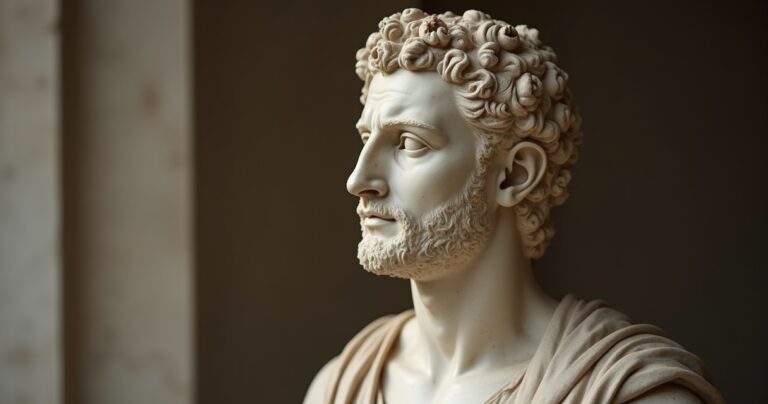
Lucius Annaeus Seneca, born in Cordoba, Spain, around 4 BCE, was far more than a distant ivory-tower thinker. He was a man of the world, juggling the brutal realities of Roman politics as a statesman, writing searing tragedies as a playwright, and managing vast wealth as a merchant. Yet, he is best remembered as a central figure in Stoic philosophy. His life was a theatrical mix of high power, exile from the emperor Claudius, an unlikely return as the tutor to the young Nero, and ultimately, a forced suicide ordered by that same former student. Seneca didn’t write from a position of serene detachment. He wrote from the chaotic trenches of existence, making his insights on resilience and inner freedom remarkably gritty and practical. His letters and essays are not dry academic treatises; they are urgent guides for surviving fortune’s vicious swings.
The True Meaning of the Quote
On its surface, Seneca’s statement seems paradoxical. If you are already alive, haven’t you figured out how to live? The deeper meaning strikes at the heart of our fragile psychology. Seneca argues that without constant vigilance and self-examination, we drift. We fall into patterns of reaction, pursue false goals advertised by society, and mistake being busy for living well. The phrase “learn how to live” translates not to learning survival skills, but to refining your moral character. It suggests that each new stage of life—wealth, poverty, grief, fame, or decline—throws a fresh moral puzzle at us that our previous knowledge cannot solve. The person who wins the lottery and the person who loses everything both face distinct spiritual dangers. Stoic Wisdom for Modern Life: 12 Quotes to Build Mental Resilience provides more context on how these ancient minds handled such volatility. To stop learning about yourself is to become a fossil, locked in a version of wisdom that might not survive tomorrow’s storm.
The Stoic Art of Lifelong Learning
Unlike the modern obsession with accumulating trivia or professional certifications, Seneca’s brand of lifelong learning was an ethical discipline. The Stoics believed that philosophy was a medicine for the soul. You do not take medicine once and become healthy forever; you take it daily. Similarly, you must constantly realign your judgments with reality. A Stoic student of life asks sharp questions every evening: Was I driven by panic today? Were my moments of anger righteous or just self-indulgent? Did I envy someone for possessing something that would actually enslave me? This practice turns life experience into a dense curriculum. It is a mode of study where the raw material is your own missteps. Instead of beating yourself up for a failure, Seneca’s model treats that failure as tuition paid for a permanent lesson in humility.
How to Apply It in Modern Life
Bringing this ancient wisdom into a fast-paced digital world doesn’t require togas and silence. It requires a shift in how you react to discomfort. First, stop self-labeling. When you say “I’m just an anxious person,” you hand in your resignation as a student of calmness. Seneca believed personality was fluid, and identity is a habit to be sculpted, not an unchangeable prison. Next, treat obstacles as inquiries. A difficult boss is not just a source of stress; he or she is a rigorous drill instructor asking: “Can you maintain composure under unjust pressure?” A traffic jam is a pop quiz on patience. This reframing is the engine that drives Why People Learn Nothing and Forget Everything, a concept that hinges on turning passive irritation into active observation.
Ultimately, the application is about curiosity over condemnation. The Stoic art is to detach slightly from the adrenaline of the moment and ask, “What is this situation trying to teach me about my attachment to control?” When you begin to view your daily frustrations as a classroom, the urgency of life softens. You are no longer a victim of bad luck; you are an eternal student collecting data on how to be free.
The Endless Path of Wisdom
Seneca refused to view old age as a finish line for moral development. He painted a picture of the wise person not as someone who has reached a destination, but as someone who walks an endless path with a steady gait. The moment you think you have mastered living, you have proven your ignorance. Wisdom is not a treasure you clutch; it’s a current you swim in. The day you stop questioning your motives, biases, and fiery emotions is the day you start to decay inside.
This idea is the ultimate antidote to boredom and cynicism. If you accept that living well is a complex art form, then every single human interaction becomes a brushstroke. There is dignity in being a perpetual beginner. It removes the pressure to be a finished product. You are here to learn how to live, and because life rarely repeats the same lesson plan twice, the journey remains as vibrant on your final day as it was on your first.